Dairy Cow Longevity: Why Cows Are Culled So Early
In high-producing herds, a cow completes 2–3 lactations on average and leaves the herd at about 5 years of age, although she could live to around 20. Yet the cost of raising her is only recovered by the second lactation. We look at how many lactations cows stay in the herd, why they are culled so early, what this costs the farm, and what helps keep cows longer.
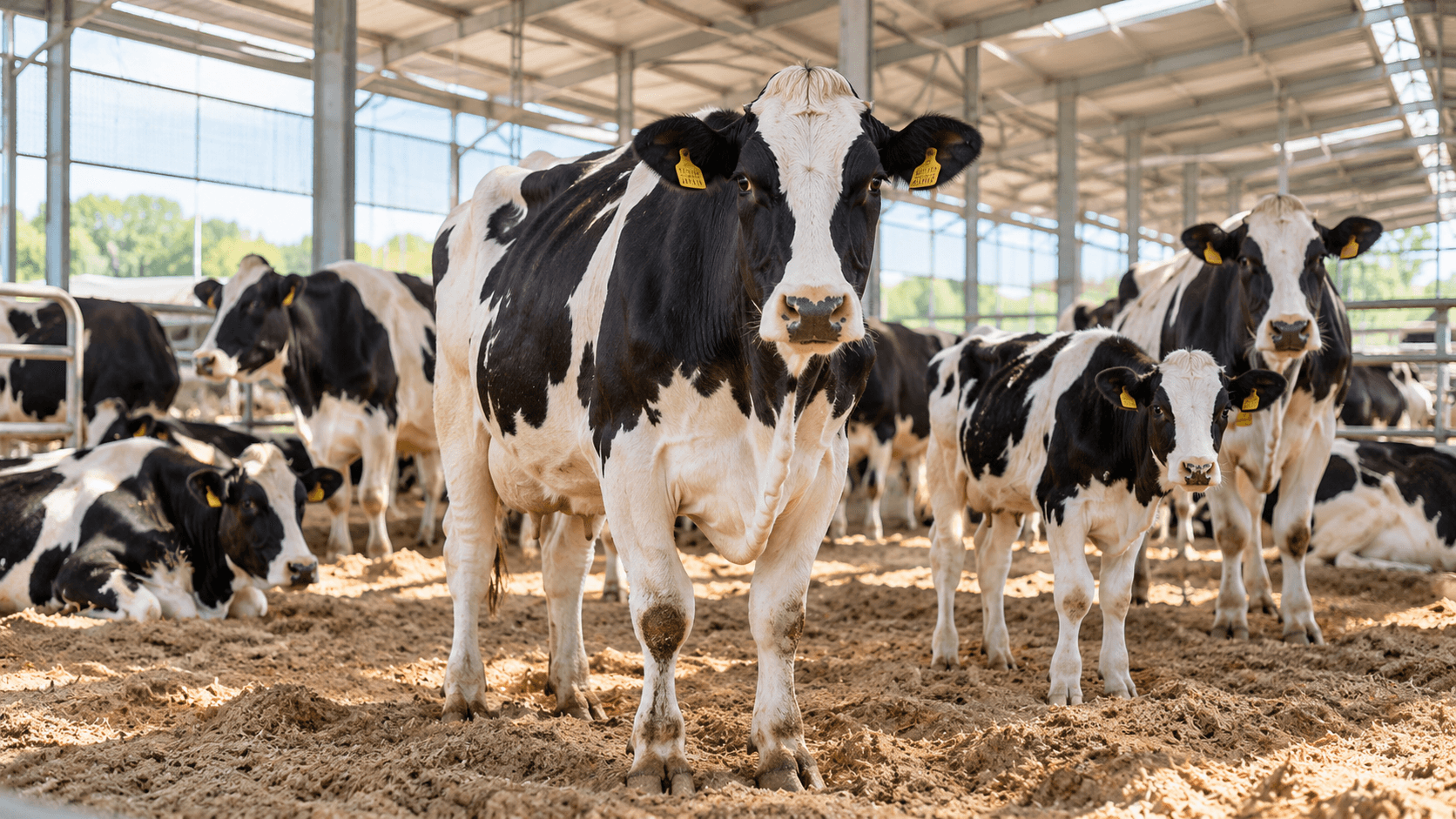
How many lactations a cow stays in the herd
Productive lifespan is the time from first calving to leaving the herd. It is measured in lactations or in months. First calving usually takes place at about 2 years of age.
Data on Holstein cattle from different countries:
- in Italy, cows stay in the herd for 2.3 lactations on average, which is about 2.6 years;
- in Hungary, they are culled after 2.2 lactations on average, and almost a third leave during their first lactation;
- in the US in 2018, cows stayed in the milking herd for 28 months on average.
Each year such farms replace 25–40% of the herd.
What early culling costs the farm
A heifer only starts generating income after her first calving, and until then she is fed and housed for about two years. In a Canadian study, Holstein cows recovered the cost of their rearing by 42 months of age on average, usually during their second lactation. This means a cow that leaves the herd in her first lactation makes a loss for the farm. In a British study, almost one in five first-calf heifers did not reach a second lactation.
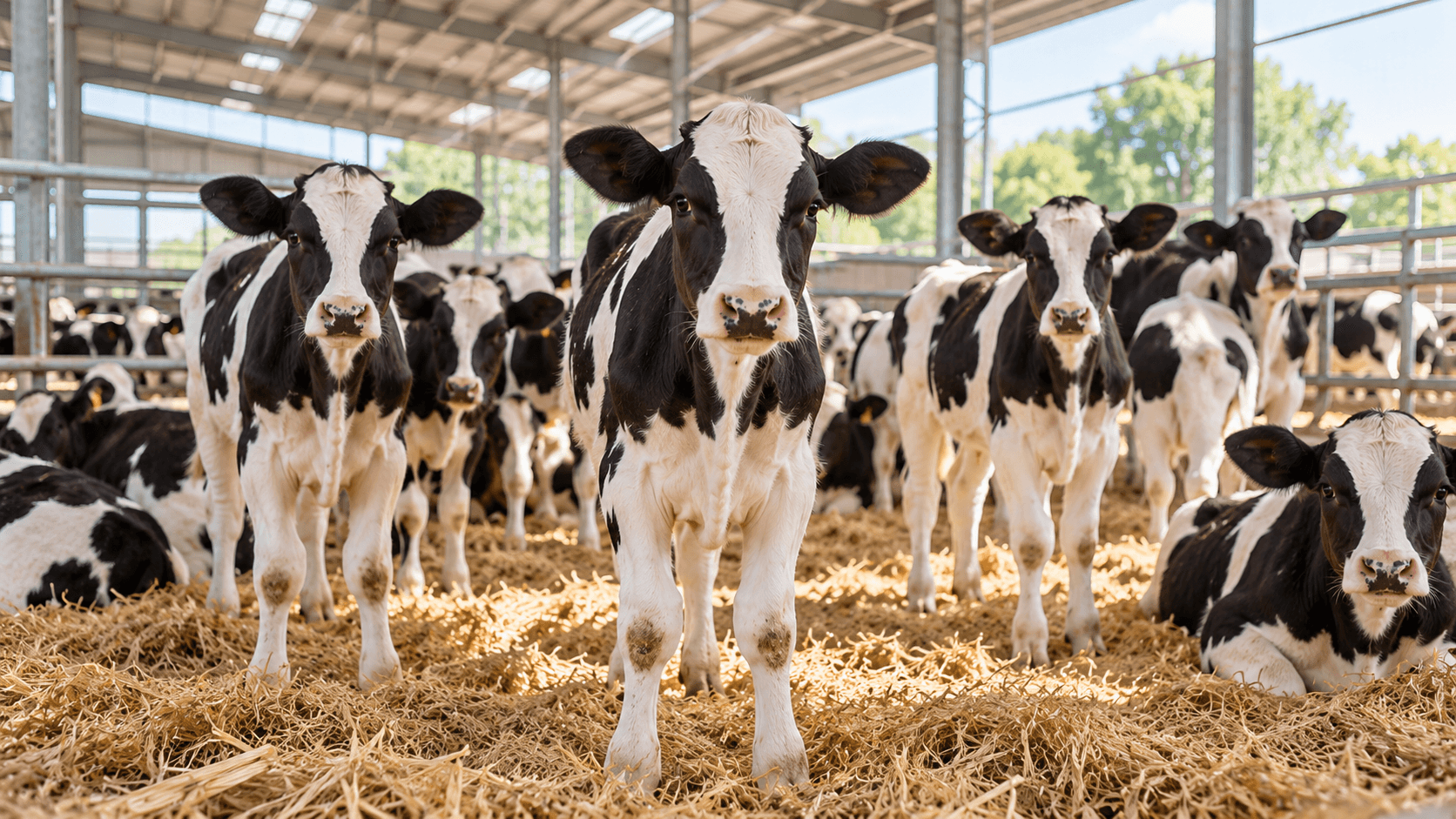
Early culling hurts the farm in two more ways:
- Less milk. Mature cows at peak lactation produce about a quarter more milk than first-calf heifers. The more first-calf heifers in the herd, the lower the average yield.
- Higher replacement costs. To maintain herd size, the farm has to raise or buy more in-calf heifers.
Voluntary and involuntary culling
Culling is divided into two types:
- Voluntary: the farm itself decides to replace a cow, for example because of low yield or to replace her with a heifer of better genetics.
- Involuntary: the cow has to be culled because of disease, infertility, injury or death.
For the farm's economics, it is important that most culling is voluntary. If cows leave mainly involuntarily, the farm loses them before they have paid for themselves.
Main reasons for culling
Studies from different countries, including Russia, name the same reasons:
- Reproduction. The cow does not come into heat or does not get pregnant. Without a new calving there is no new lactation.
- Udder diseases, above all chronic mastitis that returns after treatment. Read more in our article on mastitis in cows.
- Leg and hoof diseases. A lame cow eats less, loses yield and gets pregnant less easily. Read more in our article on lameness in cows.
- Low yield. The cow produces less than she costs to keep. We cover the causes in Why Is a Cow Producing Less Milk?
- Post-calving diseases: ketosis, milk fever, displaced abomasum. The first weeks after calving are the hardest period for a high-producing cow.
Often there are several reasons at once. After a difficult calving, a cow gets sick, loses body condition, has trouble getting pregnant and eventually leaves the herd, even though only one reason is recorded.
Which indicators to track
- Annual culling rate, and separately the involuntary culling rate.
- Culling in the first lactation. Each such cow has not paid back her rearing costs.
- Average number of lactations of culled cows.
- Reason for culling for each cow. If you record it honestly, within six months you will see where to focus your efforts: reproduction, udder, hooves or the transition period.

How to extend productive lifespan
- Transition period. Correct feeding of dry cows and prevention of ketosis and milk fever reduce disease during the most dangerous period.
- Healthy udders: milking hygiene, well-maintained milking equipment, post-milking teat dipping.
- Healthy hooves: regular trimming, dry non-slip floors, early detection of lameness.
- Comfort. A cow should lie down 10–14 hours a day, so there should be enough stalls for every cow, and they should be comfortable.
- Reproduction: detect heat on time, inseminate, and make sure the cow recovers after calving.
- Heifer rearing. A well-reared heifer copes better with her first calving and stays in the herd longer.
Where cameras help
Lameness and mastitis are among the main reasons for involuntary culling, and they are often noticed late, when treatment is harder. FusionAI cameras recognize every cow without ear tags and detect early signs of lameness, so a sick cow can be examined and treated sooner. The mastitis detection module is currently being piloted on partner farms.
Frequently asked questions
What is the productive lifespan of a cow?
It is the time from first calving to leaving the herd, measured in lactations or months. In high-producing Holstein herds it averages 2–3 lactations.
Why are cows culled so early?
Most often because of reproductive problems, chronic mastitis, leg and hoof diseases, low yield and post-calving diseases. Many of these problems begin in the first weeks after calving.
When does a cow pay back the cost of her rearing?
In a Canadian study, Holstein cows recovered their rearing costs by 42 months of age on average, usually during their second lactation. A cow culled in her first lactation makes a loss for the farm.
How many cows do farms cull per year?
In high-producing herds, usually 25–40% of the herd. It is important to look not only at the overall rate, but also at how many of the culled cows left involuntarily and how many left in their first lactation.
Related FusionAI solutions
If this topic is relevant for your farm, explore these solutions: